Seating Ideas for a Small Living Room (Beyond the Sofa)
Extra seating for small living rooms that takes little floor space: poufs, benches, floor cushions, window seats and more.
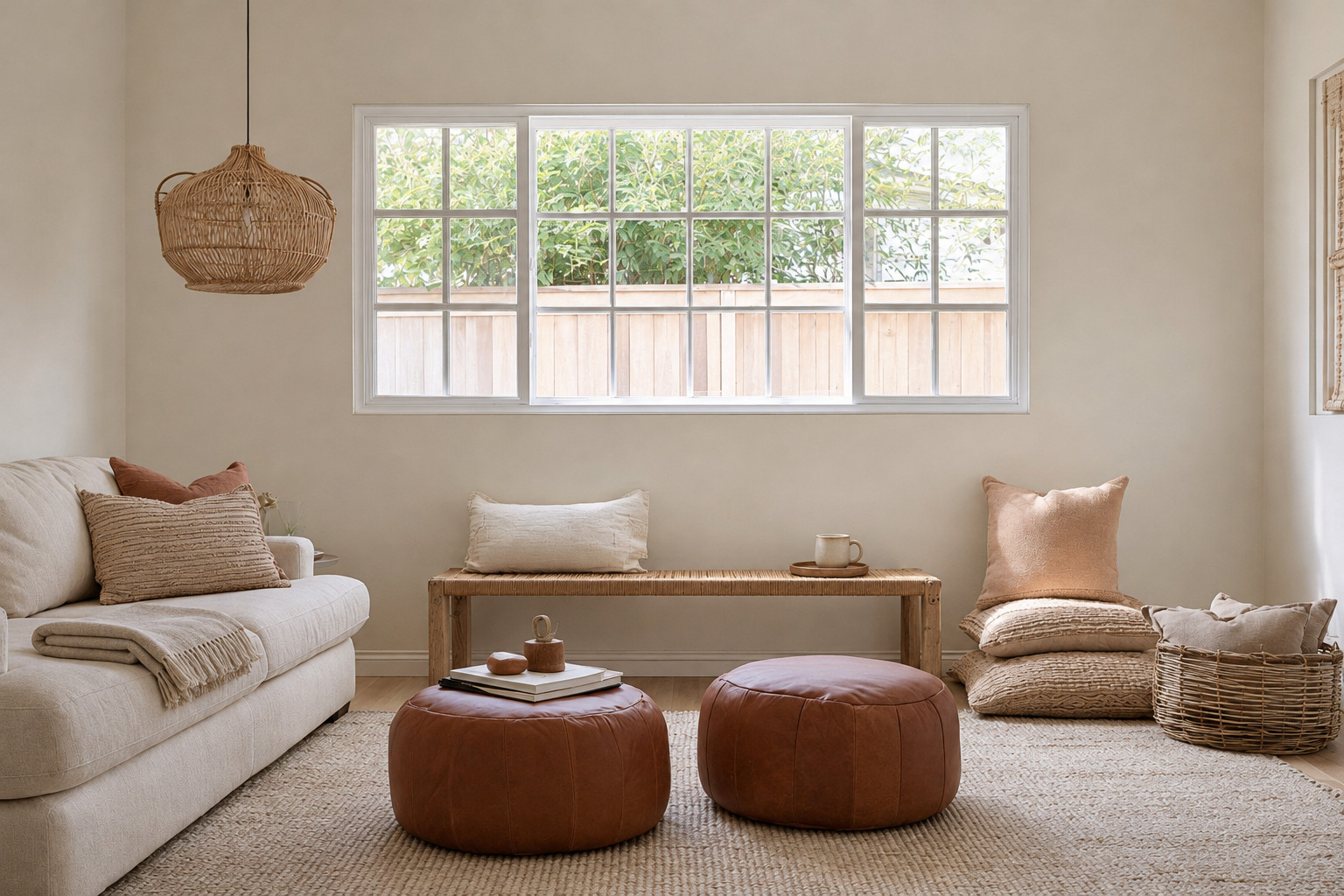
A small living room usually has room for one sofa, and then you run out of space. The trouble is that four people still want to sit down on movie night. Adding a second sofa or a pair of bulky armchairs fills the floor, so the trick is seating that is small, light or hidden until you need it. These seating ideas for a small living room go beyond the sofa: poufs, benches, floor cushions, built-ins and a few pieces that pull double duty.
Quick answer: For extra seating in a small living room, use poufs or ottomans that tuck under the coffee table, a backless bench along a wall or window, floor cushions stored in a basket, a built-in window seat with storage, nesting stools, or one compact armless accent chair. Choose pieces with visible legs or a small footprint and keep a 30 in (76 cm) walkway clear.
In this article
- Compare your options
- 1. Poufs that tuck under the coffee table
- 2. A bench along a wall or under a window
- 3. Floor cushions in a basket
- 4. A built-in window seat with storage
- 5. One armless accent chair
- 6. Nesting stools and side tables that double as seats
- 7. A storage ottoman as a coffee table
- 8. Keep it visually light
- Small living room seating mistakes
- Frequently asked questions
- Count your guests, not your chairs
Compare your options
| Seating | Footprint | Seats | Best for |
|---|---|---|---|
| Pouf or ottoman | 16 to 20 in (41 to 51 cm) across | 1 | Extra seat that tucks away |
| Backless bench | 14 to 16 in (36 to 41 cm) deep | 2 to 3 | Under a window or along a wall |
| Floor cushions | Stored in a basket | 1 each | Casual rooms, kids, movie nights |
| Built-in window seat | 16 to 20 in deep | 2 | Bay windows and alcoves, with storage below |
| Armless accent chair | about 22 to 26 in (56 to 66 cm) wide | 1 | A permanent second seat |
1. Poufs that tuck under the coffee table
 Save
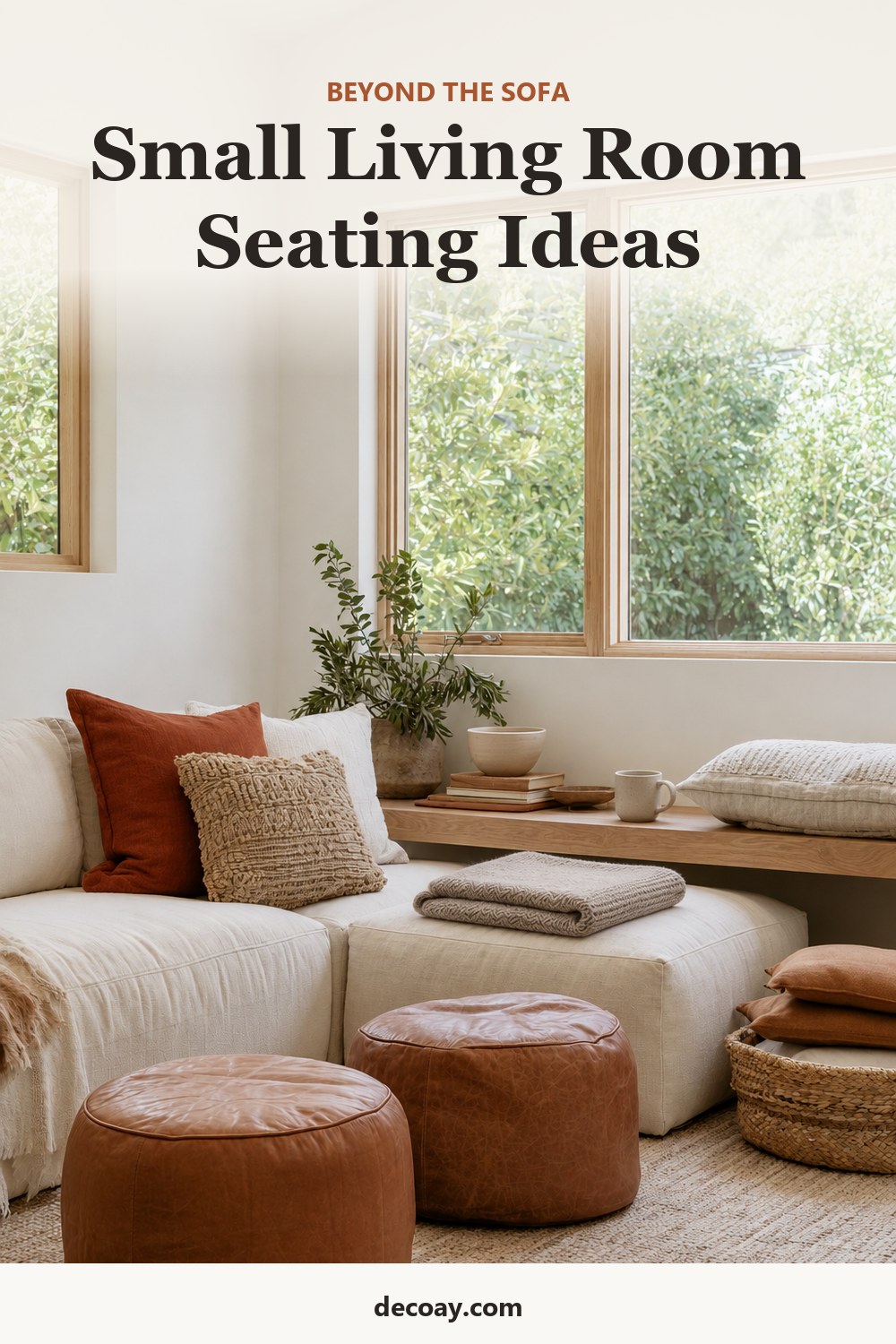
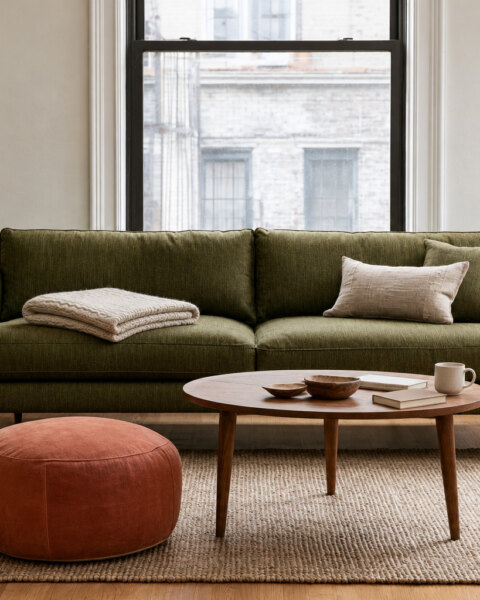
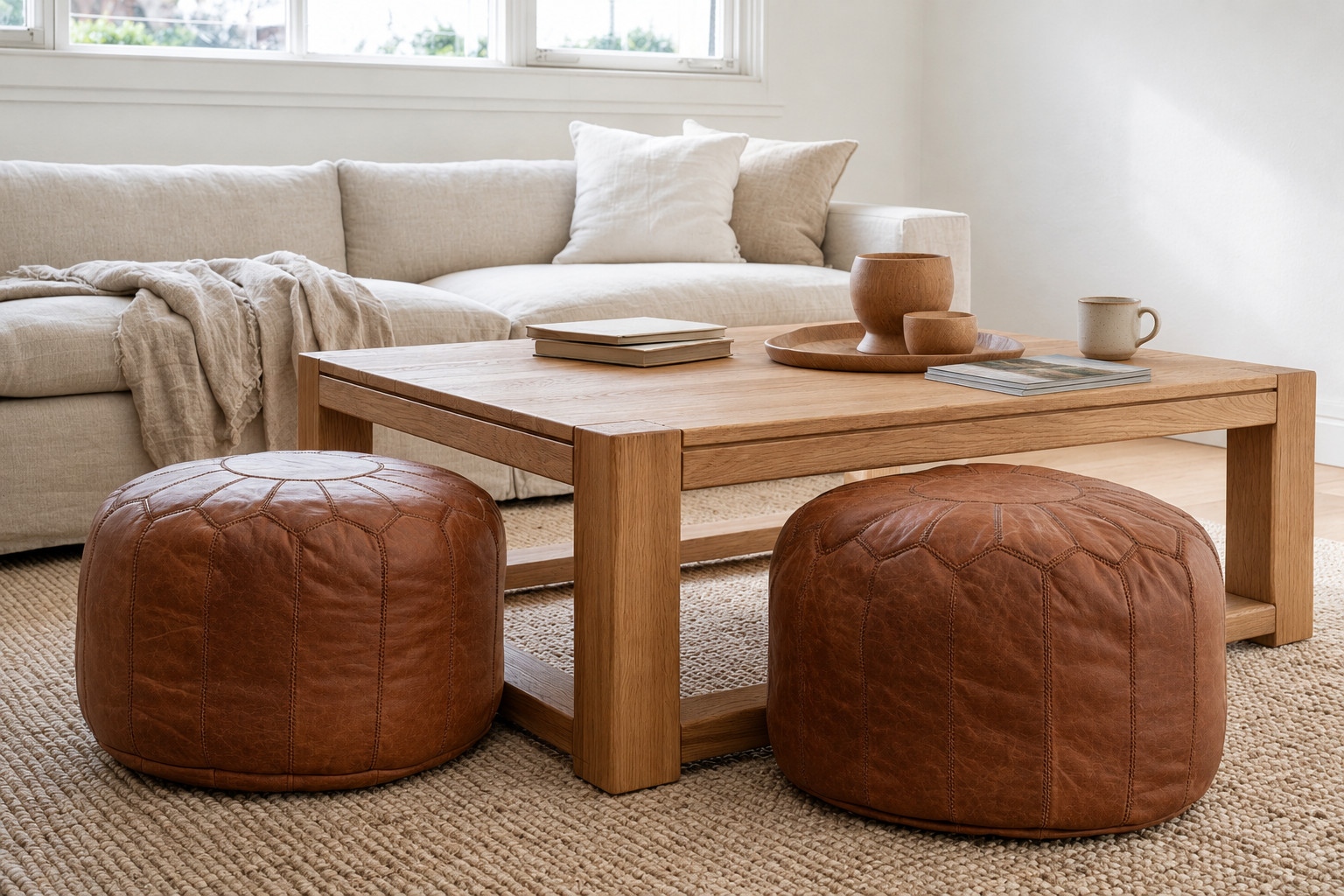
Poufs are the most flexible extra seating there is. A pair of round leather or woven poufs, about 16 to 18 in tall, can live under a coffee table with an open base and come out when guests arrive. Day to day, one works as a footrest or a side table with a tray on top.
Measure the space under the coffee table before you buy. The pouf needs about an inch of clearance on top to slide in and out without scraping.
2. A bench along a wall or under a window
 Save
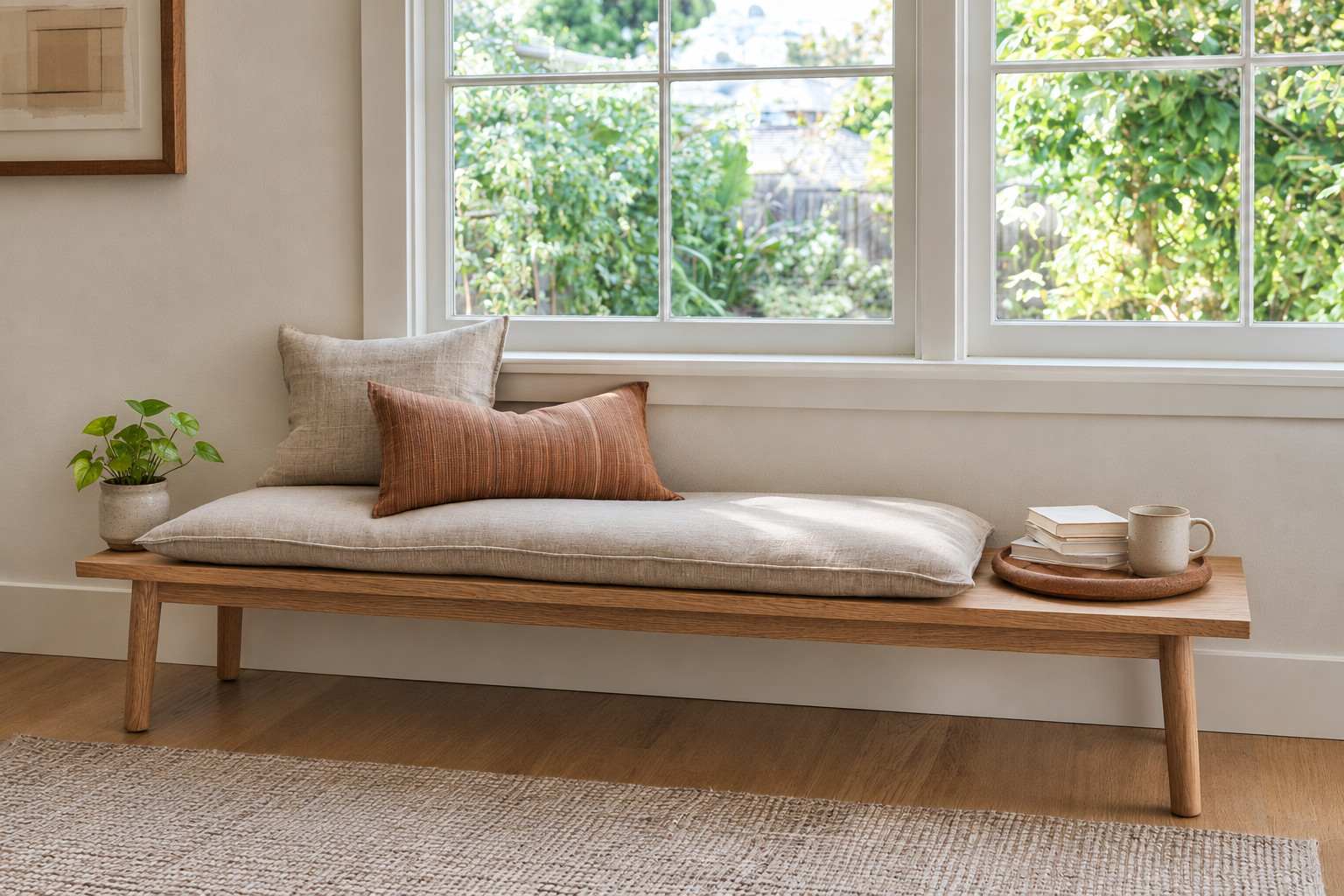
A backless bench seats two or three people while taking up less floor than a single armchair. Placed under a window or along an empty wall, it reads as decor when nobody is sitting on it. Add a long cushion and a couple of pillows against the wall for comfort. A bench also works as an extra surface for books, a plant or a tray of drinks.
3. Floor cushions in a basket
 Save
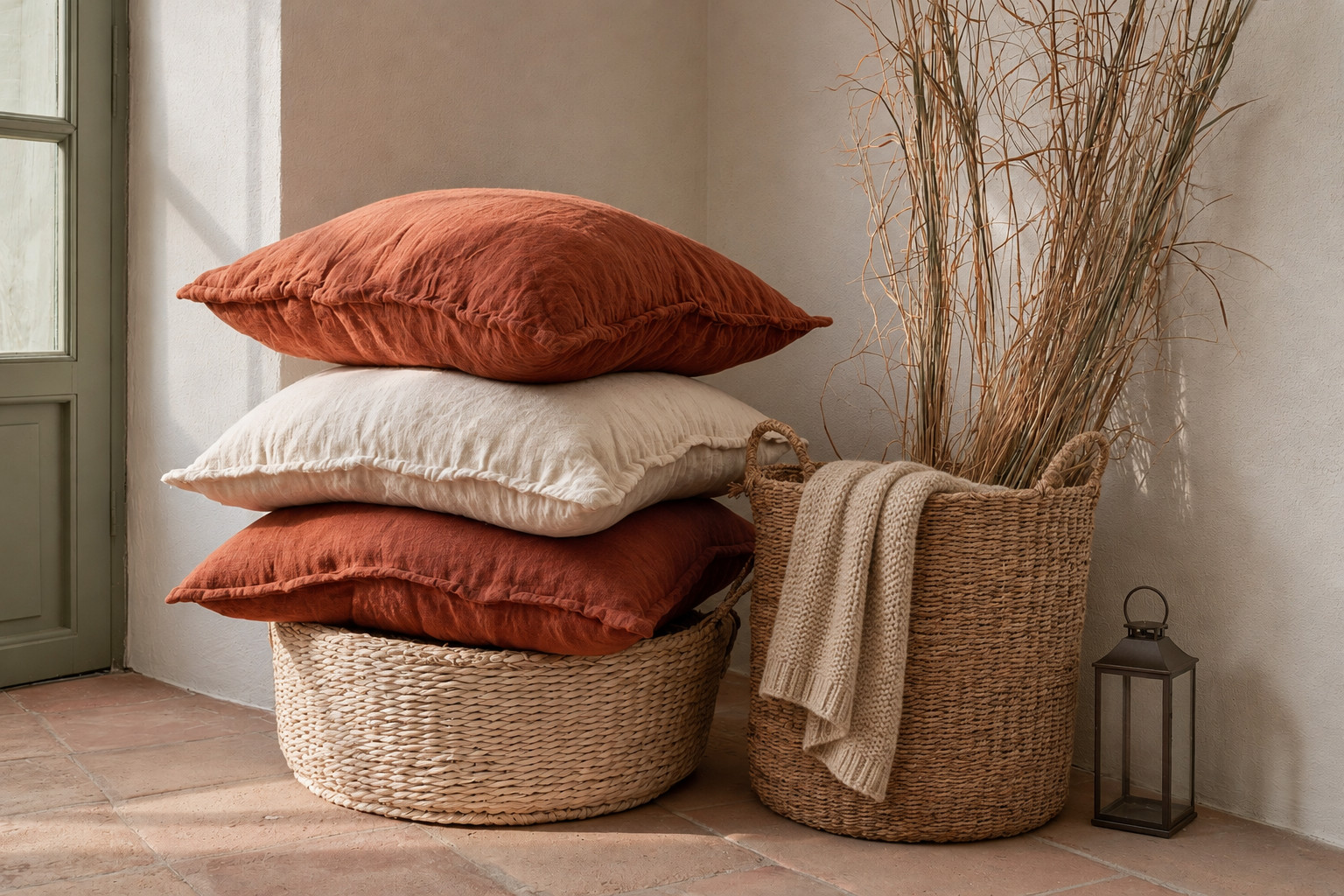
Large floor cushions, about 24 to 30 in square, are easy to bring out and easy to hide. Keep them stacked in a large woven basket in the corner, and pull them around the coffee table for game nights or movie marathons. They are especially popular with children, and with anyone who likes to sit low and lean against the sofa.
4. A built-in window seat with storage
 Save
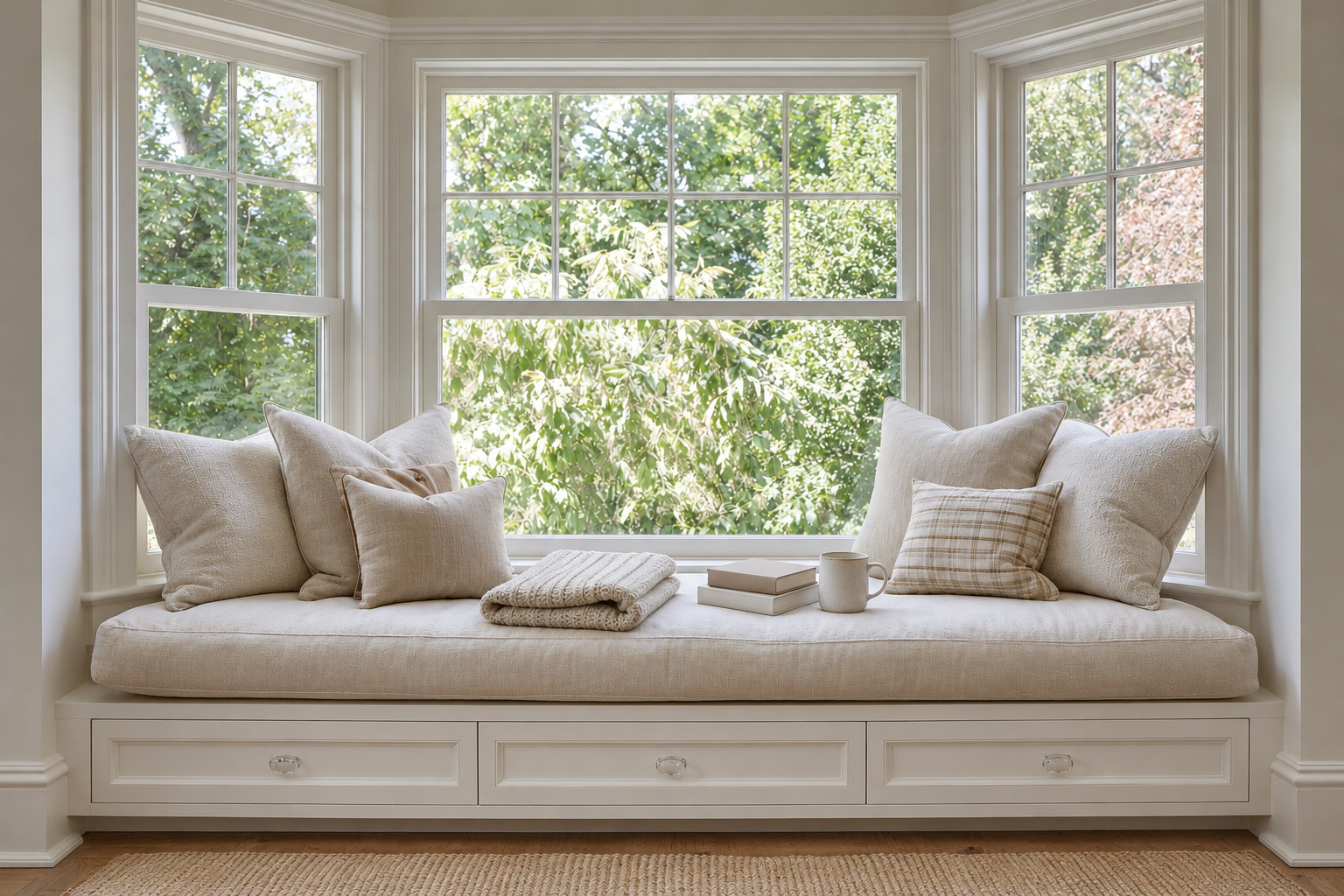
If you have a bay window, an alcove or a deep window wall, a built-in seat turns it into the best seat in the house. Make it 16 to 20 in deep and about 18 in high, including the cushion, with drawers or lift-up lids underneath for blankets and board games. It is a bigger project, often a weekend of carpentry using kitchen wall cabinets as a base, but nothing uses a small room’s space more efficiently.
5. One armless accent chair
 Save
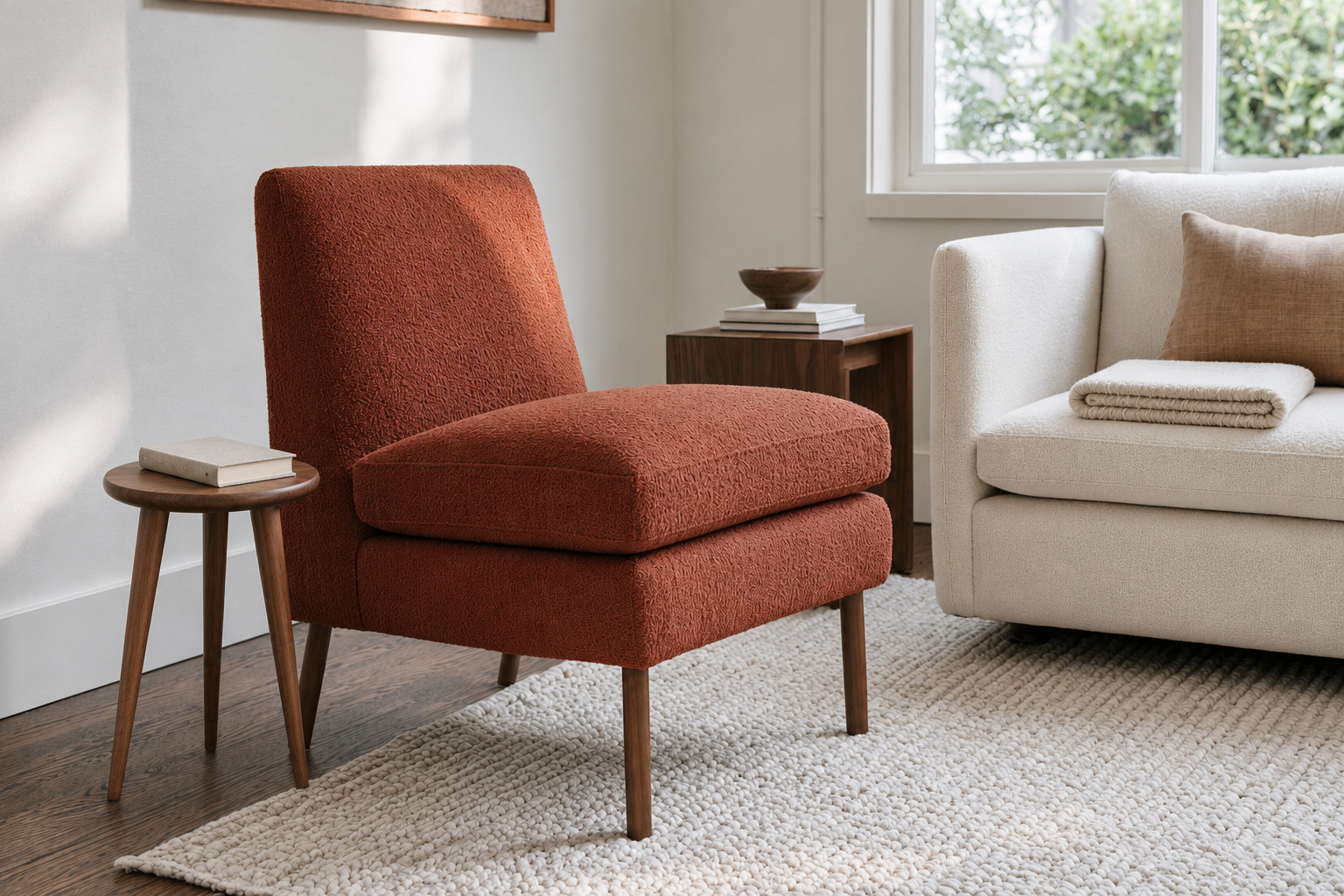
If you want a proper second seat that stays out all the time, choose an armless or slipper chair. Without arms it is 6 to 10 in narrower than a typical armchair, and it is easy to angle toward the sofa for conversation. A chair with exposed legs and a lower back keeps sight lines open across the room.
One is usually enough. Two matching armchairs in a small room often leave too little space to walk between them and the coffee table.
6. Nesting stools and side tables that double as seats
 Save
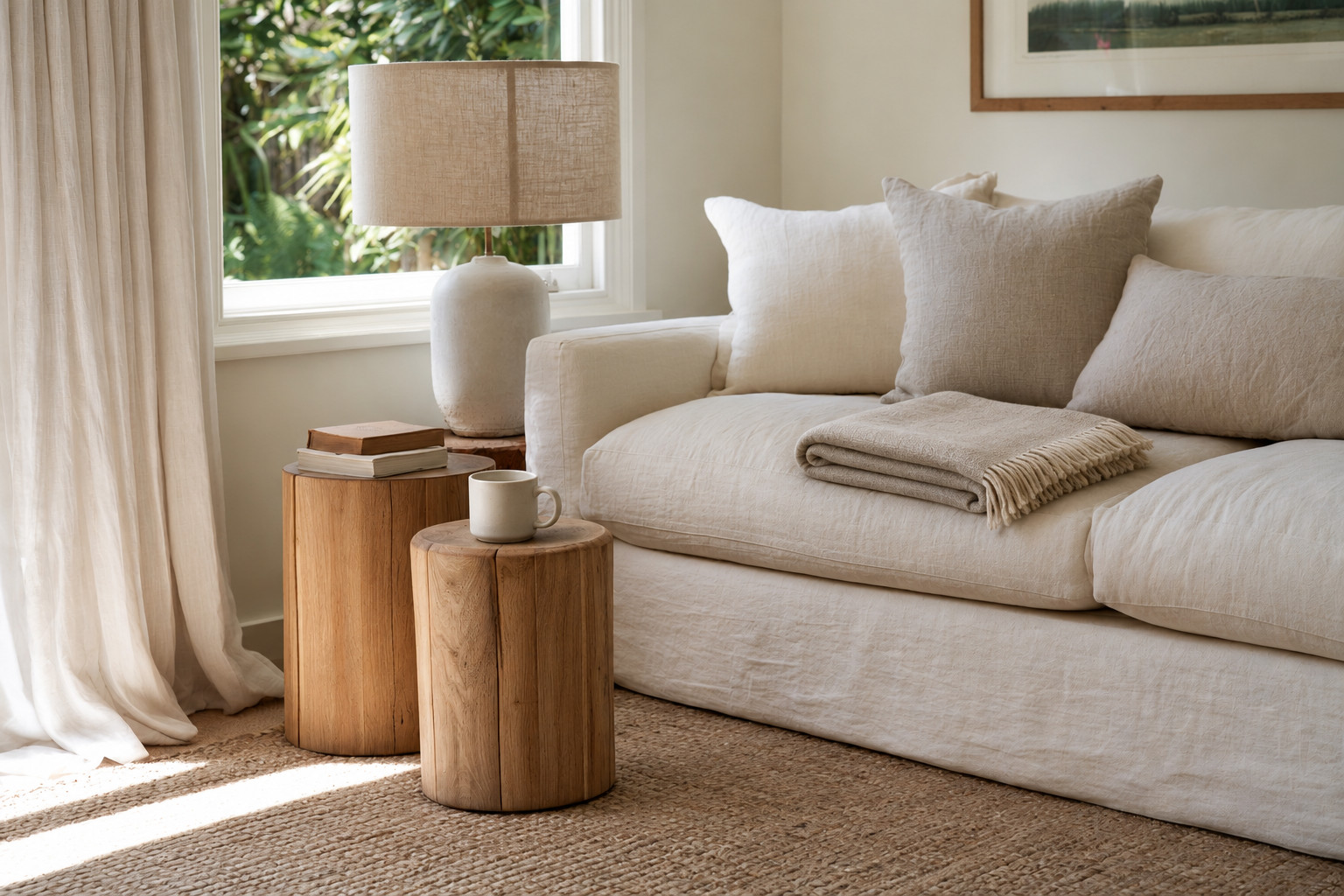
A set of solid wooden stools, about 18 in high, works as side tables most of the time and as seats when needed. Nesting versions stack into the footprint of one. Choose sturdy ones with a flat top that is rated to sit on, not decorative plant stands.
7. A storage ottoman as a coffee table
 Save
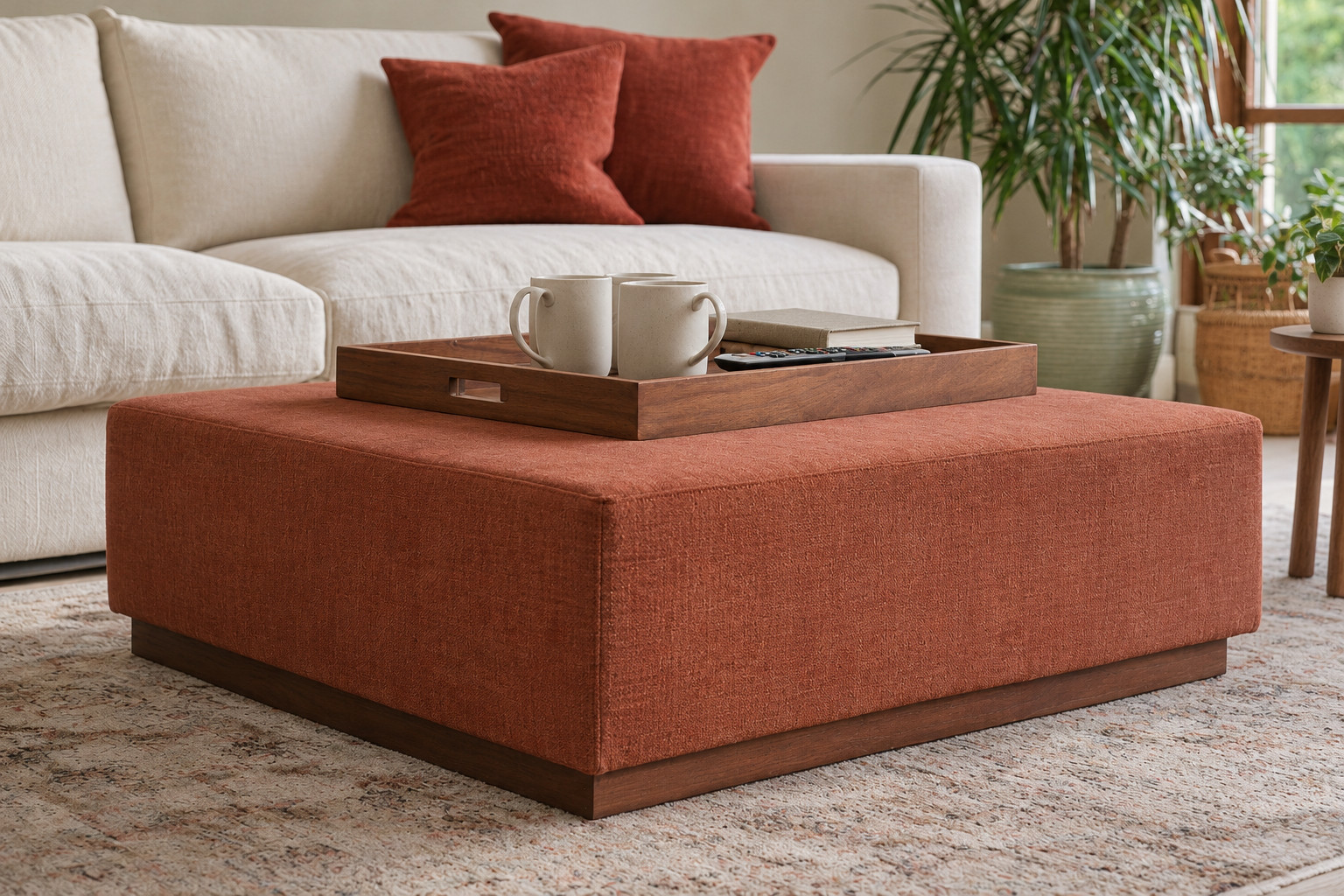
Replace the coffee table with a large upholstered storage ottoman and you gain soft seating at the edges, a footrest and hidden storage inside. Put a big tray on top for drinks and remotes. It works especially well in family rooms, where a hard-edged table can be a hazard for small children.
For where to put the sofa itself, see our guide to small living room sofa arrangement.
8. Keep it visually light
 Save
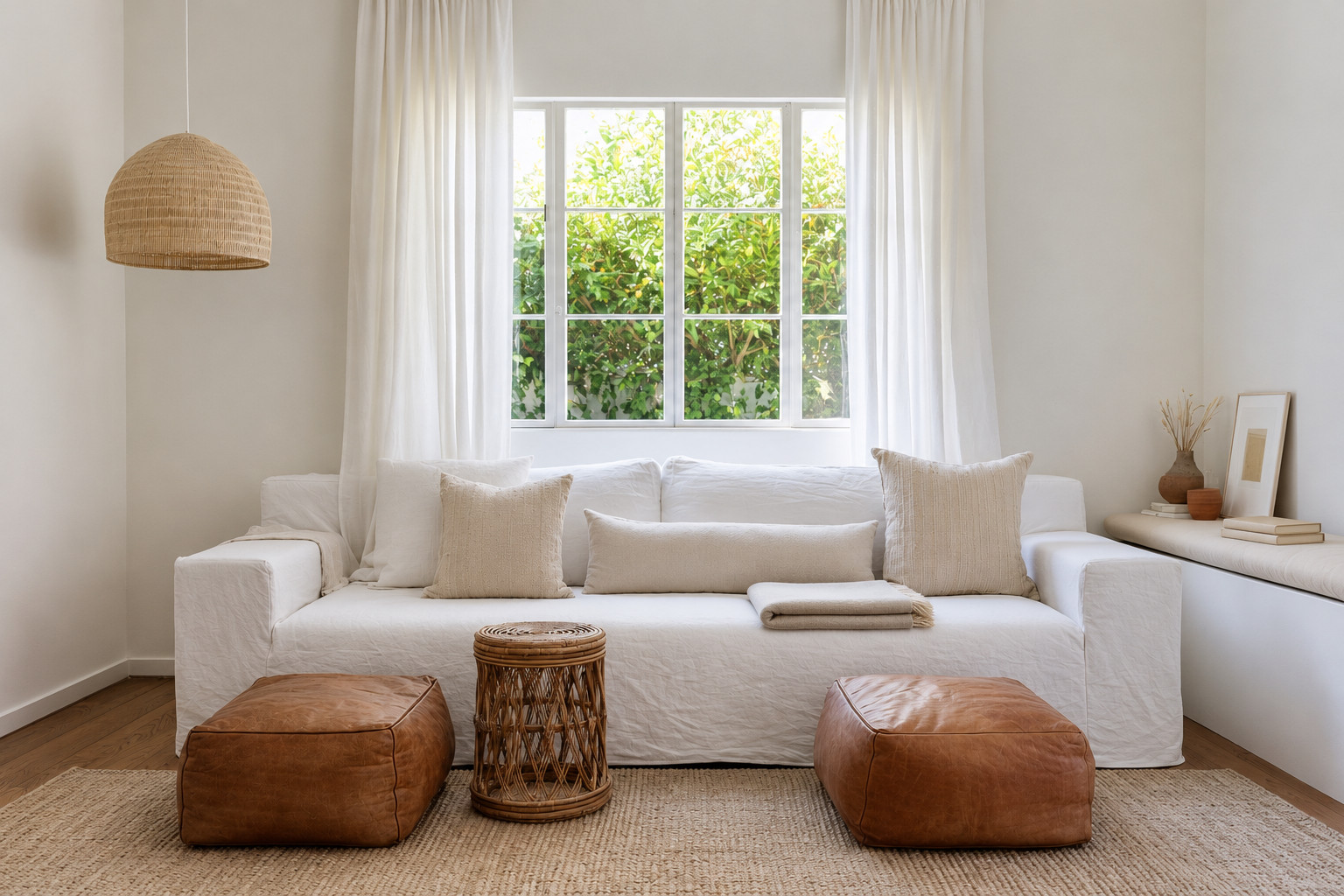
Extra seating can make a small room feel crowded even when it fits. A few rules keep it calm:
- Choose pieces with visible legs or a small, rounded footprint.
- Repeat one material, such as leather, rattan or wood, across poufs, bench and stools.
- Keep extra seats low, below the sofa back, so they do not block the view across the room.
- Store floor cushions and spare poufs when not in use.
Small living room seating mistakes
- Two bulky armchairs. One compact chair plus poufs gives the same seats with more floor.
- Seats that block the walkway. Keep a 30 in path through the room.
- Decorative stools used as seats. Check that stools and benches are rated for sitting.
- Everything out all the time. Extra seating should be easy to tuck away.
Frequently asked questions
How can I add seating to a small living room?
Use poufs that slide under the coffee table, a backless bench along a wall, floor cushions in a basket, a built-in window seat or one armless accent chair.
What is the best extra seating for a small living room?
Poufs and benches. They take little floor space, double as footrests or side tables and can be tucked away when not needed.
How many seats does a small living room need?
Enough for the people who live there every day, plus two or three flexible extra seats for guests, such as poufs or floor cushions.
Are armless chairs good for small spaces?
Yes. They are 6 to 10 in narrower than chairs with arms and easier to fit beside a sofa.
Can a bench replace a sofa?
Not for everyday lounging, but a cushioned bench works well as a second seat alongside a loveseat or small sofa.
Count your guests, not your chairs
Think about the largest group you host a few times a year, then plan two everyday seats per person who lives there and flexible seats for the rest. Most small living rooms only need a sofa, one pouf and a basket of floor cushions. For more ideas, browse our living room ideas.